

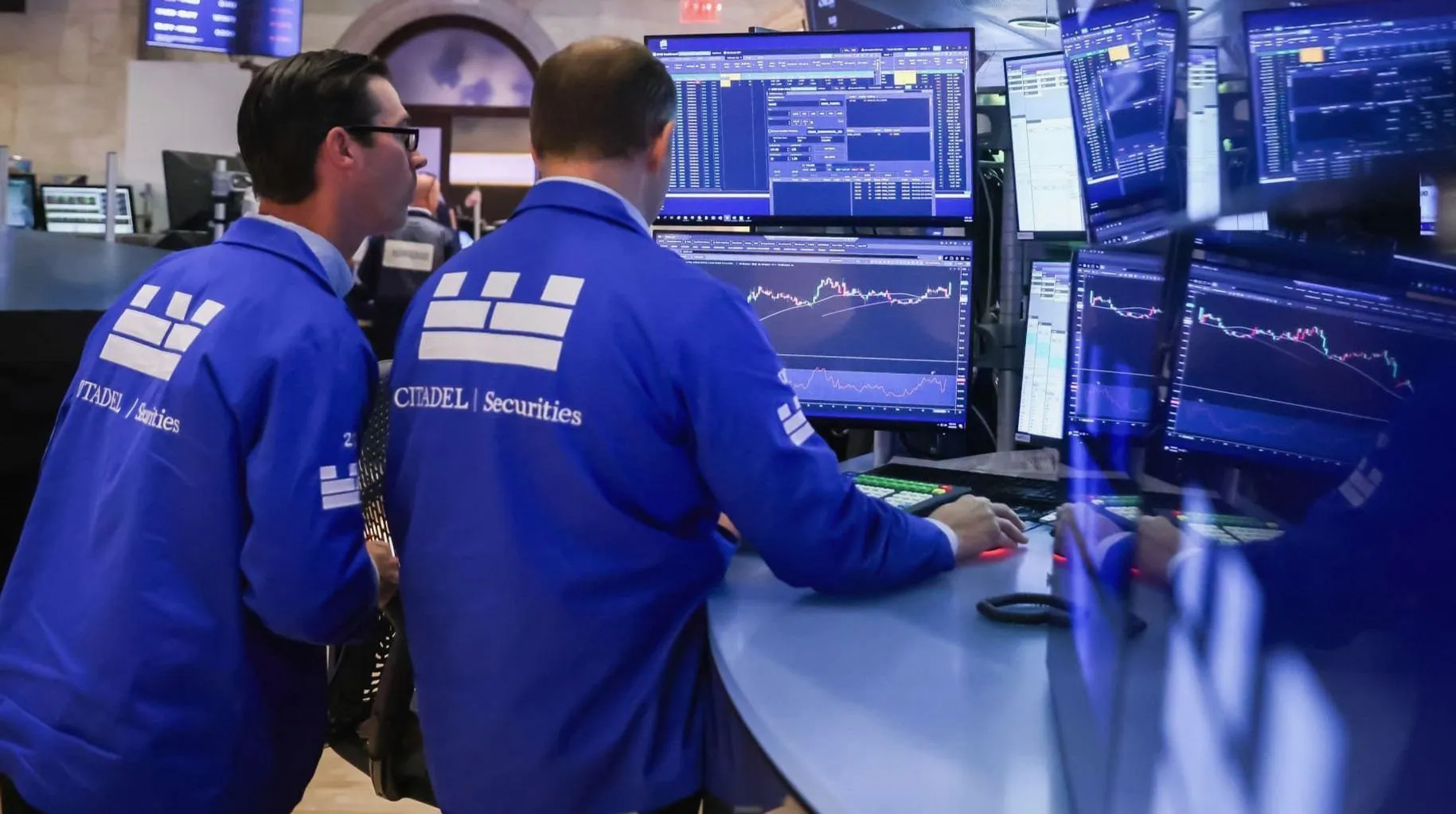
Wall Street is nursing a hangover today after an underwhelming revenue update from OpenAI cast a shadow over the once unstoppable artificial intelligence rally. U.S. stock futures remained largely flat on Thursday night, reflecting a cautious mood among traders following a sharp sell off in big tech. The turbulence began when reports surfaced that OpenAI’s annualized revenue sat at 50 billion dollars through September, falling short of the 68 billion dollar figure many investors had previously banked on.
The fallout was immediate and widespread across the semiconductor and infrastructure sectors. Heavyweights like Nvidia and AMD saw their shares slide, while CoreWeave and Oracle faced even steeper declines as the market questioned whether the AI boom was beginning to lose momentum. This volatility pushed the Nasdaq Composite to its steepest single day drop since mid August, erasing recent record highs and dragging the S&P 500 into a two day losing streak despite the Dow remaining relatively resilient.
Beyond the AI fray, another shockwave hit the telecommunications industry late Thursday. Shares of SpaceX ticked upward after announcing a deal to acquire a nationwide spectrum portfolio, a move seen as a major boost for Starlink Mobile’s capabilities. However, this victory for Elon Musk came at the expense of traditional carriers; AT&T, Verizon, and T-Mobile all suffered significant losses in extended trading as investors feared increased competition would eat into their established market shares.
Looking ahead, global markets remain on edge with Asia Pacific indices expecting a muted start due to these tech jitters combined with ongoing geopolitical tensions in the Middle East. Back home, domestic investors are keeping a close eye on upcoming consumer sentiment data and early earnings reports from Delta Air Lines to gauge where the broader economy stands amidst this sudden shift in tech optimism.